
Costa Del Sol
The southern coast and heartland of Spain, encompassing the vibrant Costa del Sol and the wider region of Andalusia, represent one of Europe’s most desirable destinations for expatriates, retirees, and digital nomads. Defined by a dramatic landscape where rugged mountains meet the Mediterranean Sea, this region blends rich historical depth with an exceptional modern infrastructure. Living here offers a distinct lifestyle shaped by climate, culture, and community.
The Andalusian Climate and Geography
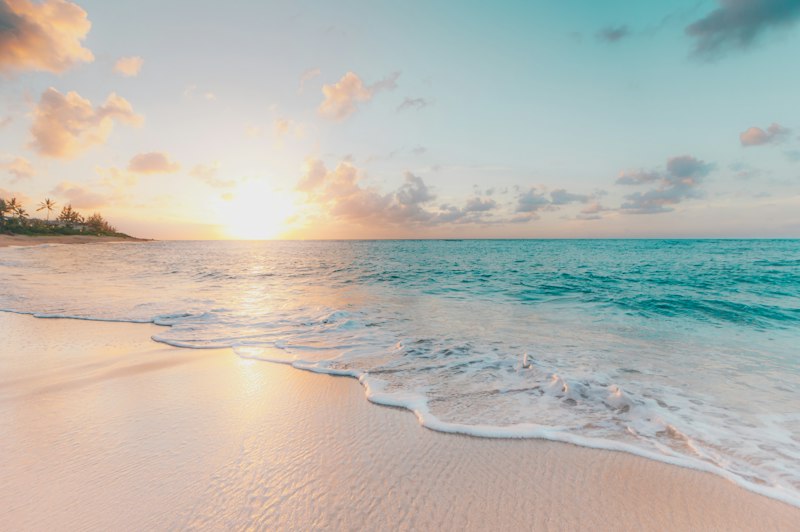
The primary appeal of the Costa del Sol is its remarkable microclimate. Shielded by mountain ranges from northern winds, the coastal strip enjoys over 320 days of sunshine per year and mild winter temperatures that rarely drop below 10°C. This predictable weather shapes daily life, shifting activities outdoors year-round and fostering a health-conscious lifestyle centred around the sea, golf courses, and natural parks.
Geographically, the region acts as a gateway between Europe and Africa, offering a diverse topography. Within a two-hour drive, residents can transition from Mediterranean beaches to the high-altitude ski slopes of the Sierra Nevada or the rolling olive groves of the inland countryside.
Málaga: The Cultural and Technological Hub
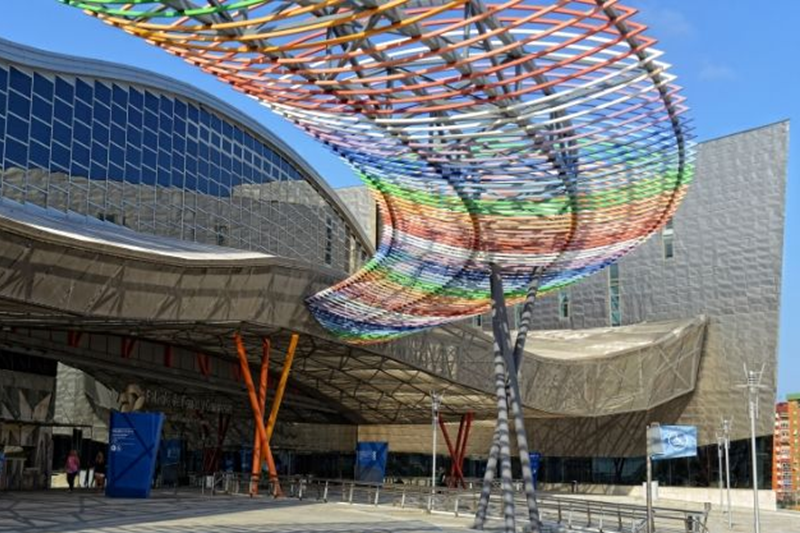
Once regarded merely as a transit point for tourists heading to coastal resorts, Málaga has transformed into one of the most dynamic cities in the Mediterranean. It balances a 2,800-year history with a forward-looking economy, making it highly attractive to professionals and families.
- The Tech Renaissance: The establishment of Málaga TechPark (Parque Tecnológico de Andalucía) has drawn multinational corporations like Google, Vodafone, and Citi. This has created a robust ecosystem for international talent, innovation, and digital entrepreneurship.
- Cultural Infrastructure: Málaga features a dense concentration of cultural venues, including the Picasso Museum, the Centre Pompidou, and the Carmen Thyssen Museum. The beautifully pedestrianised historic centre, anchored by the Calle Larios, offers an urban experience rich in gastronomy, traditional tapas bars, and architectural heritage.
- Connectivity: Málaga-Costa del Sol Airport is the fourth busiest in Spain, offering direct flights across Europe, the Americas, and the Middle East. Additionally, the AVE high-speed train connects the city to Madrid in under three hours.
Marbella: Luxury Living and Infrastructure
Situated 45 minutes west of Málaga, Marbella is synonymous with high-end Mediterranean living. Protected by the La Concha mountain, it benefits from an even milder microclimate than the rest of the coast, attracting an affluent, multinational community.
- Residential Excellence: From the exclusive gated estates of La Zagaleta and Sierra Blanca to the beachfront villas of the Golden Mile, Marbella offers premium real estate. The area boasts world-class infrastructure, including top-tier international bilingual schools, private hospitals, and fine dining establishments.
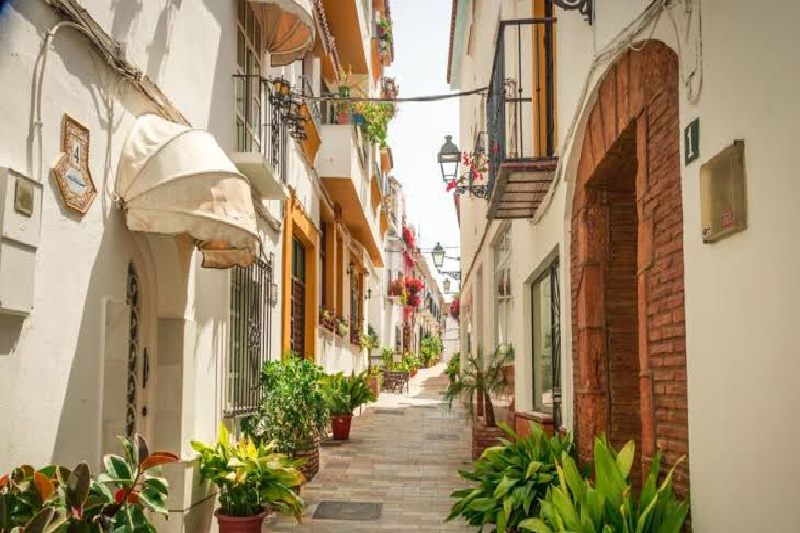
- Leisure and Sports: Known as the “Costa del Golf,” the area features dozens of championship golf courses. The nearby marina of Puerto Banús accommodates superyachts, luxury boutiques, and upscale nightlife, while Marbella’s Old Town preserves an authentic Andalusian charm with its whitewashed streets and orange-blossom-scented plazas.
Seville: The Historical and Political Soul
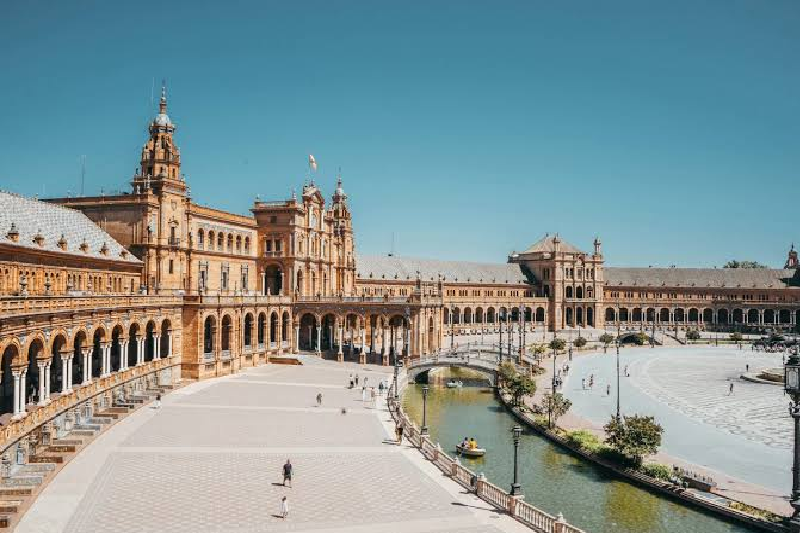
As the capital of Andalusia, Seville provides an entirely different, deeply traditional experience. Located inland along the Guadalquivir River, it embodies the romantic archetype of Spain—flamenco, Moorish architecture, and grand festivals.
- Architectural Heritage: Living in Seville means being surrounded by monumental history. The city boasts three UNESCO World Heritage sites: the Real Alcázar, the Seville Cathedral (the largest Gothic cathedral in the world), and the General Archive of the Indies.
- Authentic Culture: Seville remains intensely Spanish. Events like the Semana Santa (Holy Week) and the Feria de Abril are central to the city’s identity, offering residents an immersive cultural experience.
- Urban Living: Despite its historic depth, Seville is highly navigable. It features one of Europe’s largest historic centres, an extensive network of bicycle lanes, and a flat terrain that encourages walking. The lifestyle here moves at a traditional pace, with long lunches and vibrant evening socialising across its distinct neighbourhoods, such as Triana and Alameda.
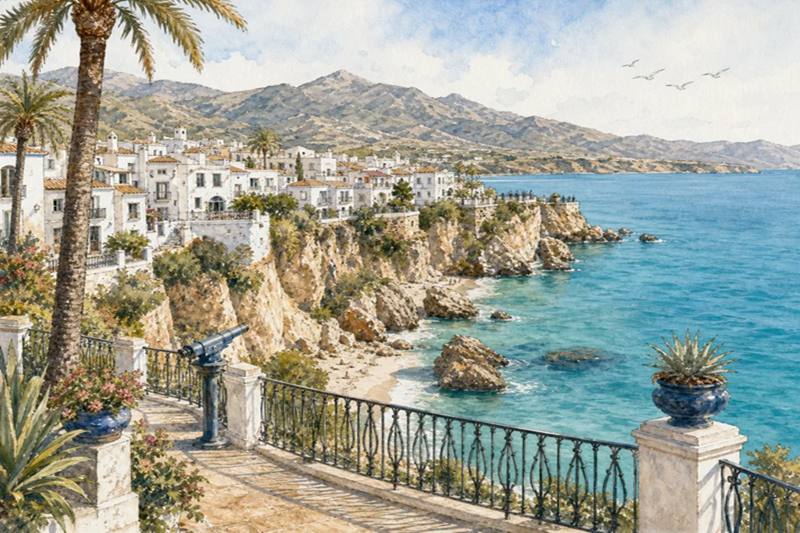
Nejra: The Scenic Coastal Balance
For those seeking a slower coastal pace without sacrificing accessibility, Nejra represents the ideal Andalusian seaside town. Situated on the eastern edge of the Costa del Sol, where the Sierras de Tejeda, Almijara and Alhama meet the sea, it has resisted the high-rise development seen elsewhere on the coast.
- Natural Beauty: Nejra is famous for the Balcon de Europa, a stunning promenade built on a cliff edge offering panoramic views of the Mediterranean. The coastline here is defined by dramatic cliffs and secluded coves, such as those in the Maro-Cerro Gordo Natural Area, which are perfect for kayaking, diving, and hiking.
- Community and Atmosphere: The town maintains its traditional whitewashed architectural style and village atmosphere. It hosts a tight-knit, welcoming community of locals and European expatriates. The nearby Caves of Nerja (Cuevas de Nerja), a massive underground cavern system hosting concert festival, adds a unique natural wonder to the locality.
The Broader Advantages of Andalusian Residency
Choosing to settle anywhere within this region unlocks several systemic benefits that contribute to an exceptional quality of life.